Saturday, 21 April 2018

Menopause

What is menopause?

This is a natural phase of a woman’s life as she ages. It is normally described as the final menstrual period in which a woman is not able to bear children.


History of Menopause


Although Aristotle referred to age at menopause being 40 years, it was a  French physician Dr. Charles NĂ©grier who coined the term menopause in 1821. Menopause is also known as the climacteric. The word menopause itself comes from the Greek, ‘men’ for month, and ‘pausis’ for pause.

Types of Menopause


There are two types of menopause. There is spontaneous or natural menopause is recognized retrospectively after 12 months of amenorrhea (no period). It occurs at an average age of 52y ears, but the age of natural menopause can vary widely from 40 to 58 years. Induced menopause refers to the cessation of menstruation that occurs after either bilateral oophorectomy or iatrogenic ablation of ovarian function (eg, by chemotherapy or pelvic radiation).

Phases of Menopause

Before menopause is called, pre-menopause. When the signs and symptoms start but there is still a period, it called peri-menopause. The time when the period stops for a year, that is called menopause and thereafter, the woman is in the post menopause phase


Common Signs & Symptoms

The symptoms that women experience are primarily related to a lowered production of the female sex hormones estrogen and progesterone. Symptoms vary widely because of the many effects that these hormones have on the female body. These may include: 


Irregular Periods
Vaginal Dryness
Hot flashes
Chills
Night sweats
Sleep problems
Mood changes
Weight gain and slowed metabolism
Dizziness
Bone Loss
Heart Palpitations
Headache
Sore Breasts
Dry hair and hair loss
Sensitive skin
Fatigue
Prolapse resulting in loss of libido and painful sexual intercourse


 Menopause Confers Increased Risk For: 


Depression

Heart Disease

Insomnia

Osteoporosis

Mental Illness

Skin Diseases

Hair Loss


Help – Medical Care and Other Treatment


1.     Menopause counselling, including discussion of physiologic changes, assessment of menopause-related symptoms and treatment options, review of screening recommendations, and discussion of disease risk-reduction strategies and psychosocial issues, facilitates informed decision making among midlife and older women

2.     Thorough physical examination and screening for diseases you may be at risk for.


3.      Treatment for disease that exist when assessed.

4.      Hormonal Replacement Therapy

5.     Natural Approach


Other Supportive Measures


Use of megavitamin use and prayer. Increased dietary soy (legumes, soy, tofu), isoflavone products, and other forms of phytoestrogens reduce menopause symptoms.  Acupuncture reduces hot flashes and improves sleep patterns in postmenopausal women.  Regular consumption of soy isoflavones in the diet may offer breast cancer protection if exposure occurs during breast development. Soy isoflavones also may inhibit the progression of atherosclerosis if initiated within 5 years after the onset of menopause. Exercise and stress management. Use of Black Coash and Evening Primrose can be useful.


Closing thought: Staying healthy is key. If you know what to expect, it is easier to manage.

Contributed by: Dr. Heather Fletcher, Menopause Health Educator

Saturday, 31 March 2018

Abnormal Vaginal Discharge

Vaginal discharge is a substance composed of a mixture of liquid, cells and bacteria to serve to protect and lubricate the vagina. It is produced constantly by the cells of the vagina and cervix and exits the body through the vaginal opening. The quality, amount and composition of the discharge varies between individuals and may vary at different stages of sexual and reproductive development. It also varies according to the menstrual cycle and can also be an indication of imbalance or disease. 


What is normal vaginal discharge?

Normal vaginal discharge tends to be thin and watery or thick and sticky in consistency, and is usually clear or white in color. Normal discharge tends not to have an odor or cause vaginal itching or pain. There may be more discharge if you are ovulating, breastfeeding, or sexually aroused. The smell may be different if you are pregnant.

What is abnormal vaginal discharge?

Any change in the balance of normal bacteria in the vagina can affect the smell, colour, or texture of the discharge. A few of the things that can upset that balance include: 
  • Antibiotic or steroid use
  • Bacterial vaginosis, which is a bacterial infection that is not sexually transmitted, but more common in women who have multiple sexual partners
  • Birth control pills
  • Cervical Cancer
  • Chlamydia or gonorrhea, which are sexually transmitted infections
  • Diabetes
  • Scented soaps or lotions, bubble bath
  • Pelvic infection after surgery
  • Pelvic inflammatory disease (PID)
  • Trichomoniasis, which is a parasitic infection typically caused by having unprotected sex
  • Vaginal atrophy, which is thinning and drying out of the vaginal walls during and after menopause
  • Vaginitis, which is irritation in or around the vagina
  • Yeast infections


When should you check with a doctor?

  • Greenish, yellowish, thick or cheesy vaginal discharge
  • Strong vaginal odor
  • Redness, itching, burning or irritation of your vagina or the area of skin that surrounds the vagina and urethra (vulva)
  • Bleeding or spotting unrelated to your period

What are some of the questions your doctor will ask?

  • When did the abnormal discharge begin?
  • What colour is the discharge?
  • Is there any smell?
  • Do you have any itching, pain, or burning in or around the vagina?
  • Do you have more than one sexual partner?
  • Do you douche?

What are some of the tests that may be done?

The doctor may take swabs from the vagina, cervix and urethra for testing. Blood tests for HIV and other sexually transmitted infections may also be done. 


How can abnormal vaginal discharge be treated?

Seek medical advice if you notice any unusual discharge. How you are treated will depend on the condition that's causing the problem. For example, yeast infections are usually treated with antifungal cream, vaginal tablet (pessary) or a tablet taken by mouth. Bacterial vaginosis is treated with antibiotic pills or creams. Trichomoniasis is usually treated with the antibiotic metronidazole.


How can you prevent the development of an abnormal vaginal discharge?

  • Keep the vagina clean by washing regularly with a gentle soap and warm water.
  • Never use scented soaps or douches. Also avoid feminine sprays and bubble baths.
  • After going to the toilet, always wipe from font to back to prevent bacteria from getting into the vagina and causing infection.
  • Wear 100% cotton underwear and avoid overly tight clothing.
  • Practice safe sexual practices including the use of a condom and having one faithful partner.

Have more questions about vaginal discharge? Check us out on facebook or give us a call

If you think you may have an abnormal vaginal discharge, book your appointment with The Obstetrics and Gynaecology Centre today to see a gynaecologist! 


Sources: https://en.wikipedia.org/wiki/Vaginal_discharge
https://www.mayoclinic.org/symptoms/vaginal-discharge/basics/causes/SYM-20050825
http://kidshealth.org/en/teens/vdischarge2.html?WT.ac=ctg

Thursday, 15 February 2018

Endometriosis

What is Endometriosis?


Endometriosis  is a disorder in which tissue that normally lines the inside of the uterus — the endometrium — grows outside the uterus. It is often a painful disorder which most commonly involves the  ovaries, fallopian tubes and the tissue lining the pelvis. Rarely, endometrial tissue may spread beyond pelvic organs.


What happens in Endometriosis?
Endometrial tissue found within the uterus normally undergoes changes throughout the menstrual cycle, including thickening, breaking down and bleeding. This normally results in a menstrual period. The endometrial tissue that grows outside of the uterus behaves similarly, however this tissue has no way to exit the body and becomes trapped. This may lead to the formation of cysts (involving the ovaries) or scar tissue and adhesions (sticky bands that cause pelvic tissue and organs to stick together). Endometriosis may cause severe pain especially during periods and fertility problems.
What are the symptoms of Endometriosis?

The most common symptom of endometriosis is pelvic pain, often associated with the menstrual period. However, although most women experience cramping abdominal pain with periods, those affected by endometriosis report severe and worsening pain. 

Common signs and symptoms of endometriosis:

·        Painful periods (dysmenorrhea). Pelvic pain and cramping may begin before your period and extend several days into your period. You may also have lower back and abdominal pain.
·        Pain with intercourse. Pain during or after sex is common with endometriosis.
·        Pain with bowel movements or urination. You're most likely to experience these symptoms during your period.
·        Excessive bleeding. You may experience occasional heavy periods (menorrhagia) or bleeding between periods (menometrorrhagia).
·        Infertility. Endometriosis is first diagnosed in some women who are seeking treatment for infertility.
·        Other symptoms. You may also experience fatigue, diarrhea, constipation, bloating or nausea, especially during menstrual periods.

The severity of the pain is not a good indicator of the extent of the disease as some women with mild endometriosis may have severe pelvic pain while women with advanced disease may have mild symptoms. 


Endometriosis is sometimes mistaken for other conditions that can cause pelvic pain, such as pelvic inflammatory disease (PID) or ovarian cysts. It may be confused with irritable bowel syndrome (IBS), a condition that causes bouts of diarrhea, constipation and abdominal cramping. IBS can accompany endometriosis, which can complicate the diagnosis.
When to see the doctor

See your doctor if you have signs and symptoms that may indicate endometriosis.

Endometriosis can be a challenging condition to manage. An early diagnosis, a multidisciplinary medical team and an understanding of your diagnosis may result in better management of your symptoms.
If you think you may be having symptoms of endometriosis, feel free to make an appointment at TOG Centre for assessment and management. 


Credits: Mayo Foundation for Education and Research

Monday, 22 January 2018

Pap Smear

What is a Pap Smear?

A Pap (Papanicolaou) smear is a screening test administered as an easy way to check the cervix for abnormal cell changes. It detects early changes in the cells of the cervix.
The cervix is the lower part of the uterus (womb) which opens into the vagina (birth canal).
If you have regular Pap smears, these cell changes can be detected and treated early.

WHY DO I NEED A PAP SMEAR?

Doing a Pap smear can save your life. It can detect abnormal cervical cells before they turn into cancer cells, and with subsequent treatment cervical cancer can be prevented. It can also detect the early stages of cervical cancer and, if treated, the patient has a better chance of being cured.


Stages  of Cervical Changes
Source: Cancerologia Medicina Van Guardia


WHO NEEDS TO DO THE TEST ?

All women 18 years and older who have ever had sex should have a Pap smear done.

HOW OFTEN DO I NEED TO GET A PAP SMEAR?

If you are 25-54 years old and have had two normal Pap smear results in a row, you should continue to do the test every three years up to age 65.

If you are over 65 years old, ask your doctor if you can stop having a Pap smear.


HOW DO I PREPARE FOR IT ?

Source: Dysfunctionalrequirements.com
To make the Pap smear as accurate as possible, it is recommended that for two days before the test you avoid:

• Douching

• Using tampons

• Using vaginal creams, suppositories, medicines, vaginal deodorant sprays or powders, and

• Having sex.


HOW IS A PAP SMEAR DONE?

A doctor or nurse can do a Pap smear during a pelvic examination. It is a quick and simple test. While you lie on the examination table, the doctor or nurse puts an instrument called a speculum into your vagina, opening it to see the cervix. Cells are gently wiped with a soft brush or spatula from around the tiny opening in the cervix.

The sample is sent to a lab where it is examined under a microscope to see if any abnormal cells are present.
Source: Jamaica National Cancer Society

DOES THE TEST HURT?

It may be a little uncomfortable but it should not be painful.


WHEN DO I GET THE RESULTS?

When you have the test done, you will be told how, where and approximately when you will get the results. Before you leave the doctor’s office or health centre discuss this with your healthcare provider.

WHAT IF THE RESULT IS ABNORMAL?

An abnormal Pap smear result means that changes were found on your cervix. This usually does not mean you have cervical cancer.

Some abnormal cells will turn into cancer, but sometimes these unhealthy (abnormal) cells will go away on their own. If you have an abnormal result, talk with your doctor or nurse.

IS A PAP SMEAR THE SAME AS A PELVIC EXAM?

No, although a Pap smear may be done as part of a pelvic exam. During a pelvic exam, the nurse or doctor will examine the reproductive organs (cervix, uterus, vagina, ovaries, and fallopian tubes) for any abnormalities.

WHERE DO I GO TO HAVE A PAP SMEAR?

You can book your appointment today at The Obstetrics and Gynaecology Centre or you can go to your nearest Health Centre.


Source: The Jamaica Cancer Society


Tuesday, 16 January 2018

Fibroids


What are Uterine Fibroids?

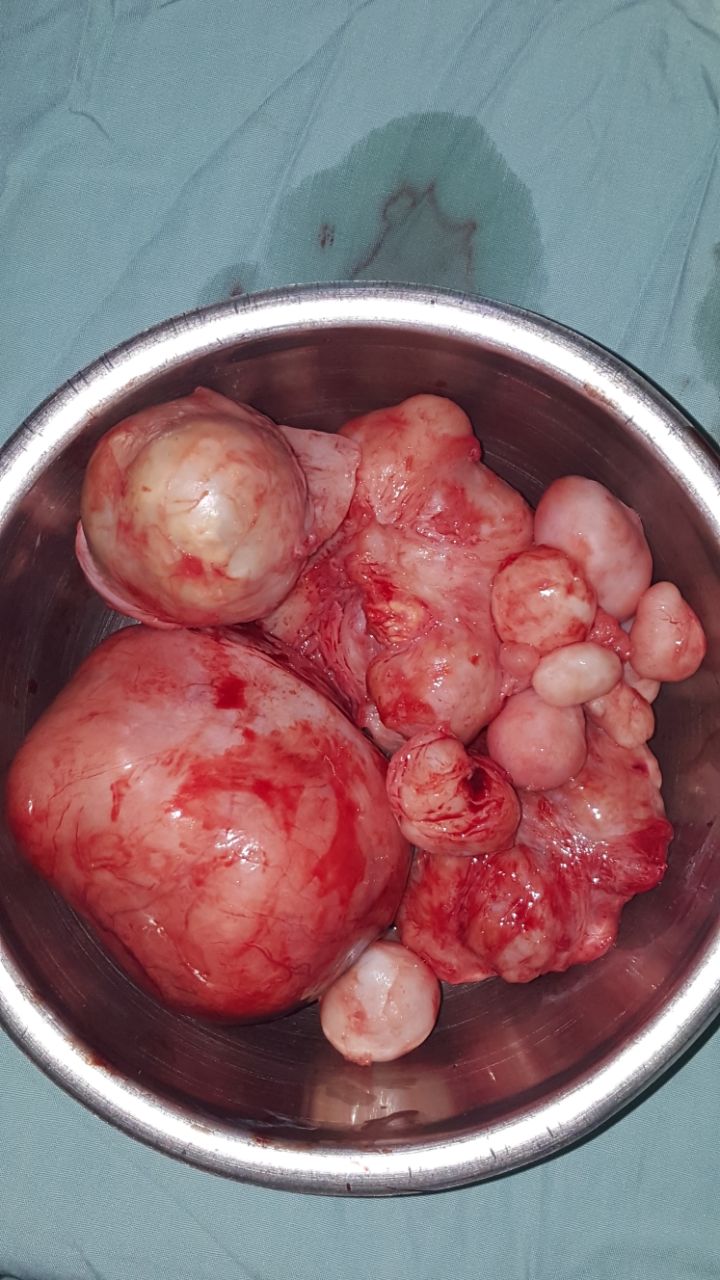
Fibroids are non-cancerous growths that develop inside the womb. They can range from very small in size to large obstructing growths. They are very common in the black population and may lead to problems with low blood count, getting pregnant and heavy bleeding after delivery of a baby.

Multiple fibroids removed at surgery


What causes Uterine Fibroids?
The exact cause is unknown. However there is a link between the hormones estrogen and progesterone and the growth of fibroids.
Uterus with Fibroids at Surgery

What are some of the symptoms of Uterine Fibroids?

Some persons find out that they have fibroids incidentally - when doing a routine ultrasound examination. Other persons may experience:


  • Heavy bleeding or painful periods
  • Bleeding between periods
  • Pressure, pain, or fullness in your lower stomach
  • Enlarged abdomen or uterus
  • Constipation
  • Needing to pee often or trouble emptying your bladder
  • Pain during sex
  • Miscarriages or infertility


  • Multiple Fibroids Removed at Surgery
    What are the treatment options for uterine fibroids?
    Fibroids Removed at Surgery
    • In women near menopause, 'watchful waiting' can be done. Fibroids are noted to shrink during menopause and the symptoms subside.
    • Heavy bleeding may be treated with medication such as NSAIDS (Non-steroidal Anti-Inflammatory Drugs) , birth control pills, hormonal injections or an intra-uterine device (that releases hormones inside your womb).
    • Surgical removal of the fibroids, also known as myomectomy may improve symptoms and chances of having a baby
    • Surgical removal of the uterus (womb) removes the symptoms completely and is the only method that prevents the fibroids from growing back (except in menopause). However removing the uterus means that there is no chance of having a baby. 
      Large Uterine Fibroid Seen at Surgery

    Do you have uterine fibroids? Find out more and book your appointment for consultation at : The Obstetrics and Gynaecology Centre

    Cervical Cancer

    What is Cervical Cancer? Cervical cancer is cancer arising from the cervix. It is due to changes in the cells of the cervix which allow th...